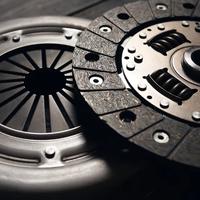
Timing Belt (Cambelt) – The Complete Guide to Avoiding Engine Failure
Avoid catastrophic engine failure. Discover when to replace your car timing belt (cambelt) in the UK, typical garage costs (£450–£1,100), and replacement signs.
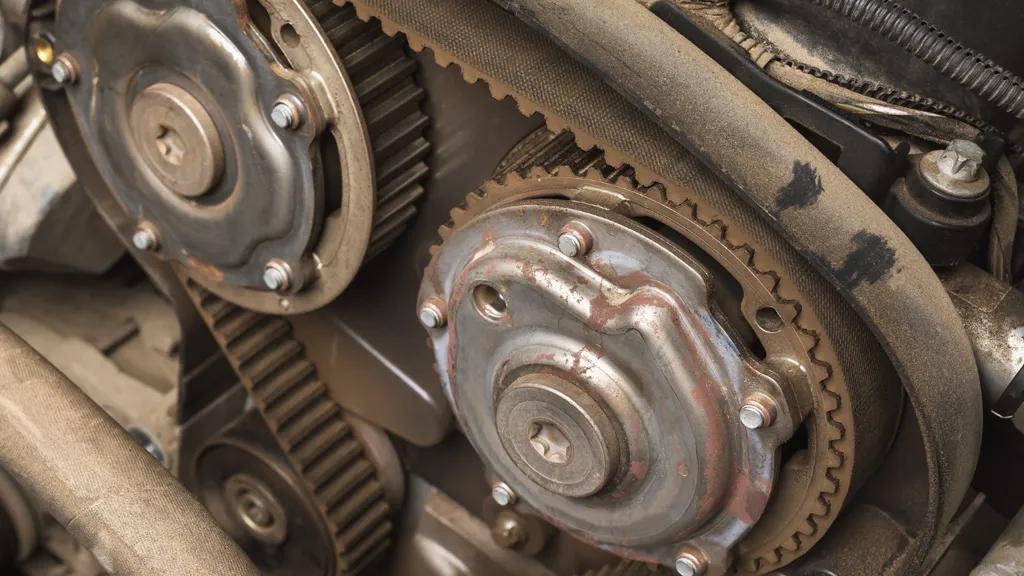
At cheapfill.uk, we frequently share strategies on eco-driving habits and finding the cheapest fuel near you. However, true long-term driving economy relies on proactive mechanical maintenance.
If there is one engine component whose failure is absolute and unforgiving, it is the timing belt (commonly known in the UK as the cambelt). Acting as the conductor of your engine’s internal orchestra, a snapped cambelt almost always results in sudden, catastrophic damage.
Here is everything you need to know about timing belt maintenance, service intervals, and protecting your wallet from astronomical garage bills.
1. What Does a Timing Belt (Cambelt) Do?
A timing belt is a high-strength rubber belt reinforced with internal glass fibre cords and teeth. Its primary job is to precisely synchronise the rotation of the crankshaft (bottom of the engine) with the camshaft (top of the engine).
This synchronisation ensures that your engine's valves open and close at the exact microsecond required relative to the position of the pistons.
If the belt snaps or slips teeth, this timing is lost instantly. In most modern "interference" engines, the pistons will smash into the open valves at high speed. The result is brutal: bent valves, damaged cylinder heads, snapped camshafts, and often a completely destroyed engine block.
2. Why Is Preventive Replacement Mandatory?
Unlike brake pads or exhaust pipes, a timing belt rarely gives obvious warnings. It usually does not squeal or slip before snapping; it simply fails under load.
Key factors that degrade cambelts over time include:
- Natural Ageing: Rubber dries out, cracks, and loses elasticity over time, even if the car sits idle.
- Oil & Coolant Contamination: Leaks from front crankshaft seals or water pumps can contaminate the belt material, dissolving the compound.
- Temperature Swings: Cold UK winters combined with intense engine bay heat cause thermal stress, wearing down the internal cords.
3. When Should You Replace Your Cambelt?
Manufacturer service intervals vary significantly based on vehicle make, engine layout, and fuel type (petrol vs. diesel). Typically, replacement recommendations fall between 5 to 10 years or 50,000 to 100,000 miles.
Crucial Rule: Always follow whichever threshold comes first (age or mileage). If you are a low-mileage driver, age-related rubber breakdown takes precedence over odometer readings.
Typical UK Cambelt Replacement Intervals
| Vehicle Type / Engine | Mileage Interval | Time Limit |
| Small Petrol Hatchback (older generations) | 40,000 – 60,000 miles | 5 years |
| Modern Diesel Saloon / SUV | 80,000 – 100,000 miles | 10 years |
| Vans & High-Load Commercial Vehicles | 50,000 – 70,000 miles | 5 years |
| Wet Belt Systems (e.g., Ford EcoBoost / Stellantis PureTech) | 60,000 – 90,000 miles | 6 years |
Note: Some vehicles use a timing chain rather than a belt. While timing chains generally last longer, they still require regular engine oil changes to prevent chain stretch.
4. The Cambelt & Water Pump Kit: Why Change Both?
When booking a timing belt replacement, reputable UK garages will always advise installing a complete timing belt kit including the water pump and tensioners.
Why spend the extra money on a new water pump?
On most engines, the water pump is driven directly by the timing belt. Installing a fresh, highly tensioned belt onto an old water pump puts extra stress on the pump bearing, which can cause it to fail shortly after. Replacing a failed water pump later requires stripping down the entire engine front again—meaning you pay for 4 to 6 hours of labour a second time.
5. How Much Does Cambelt Replacement Cost in the UK?
While replacing a cambelt is a significant maintenance expense, it is a fraction of the cost of sourcing a replacement engine.
TYPICAL UK CAMBELT REPLACEMENT COSTS
- Cambelt Kit & Water Pump Parts: £150 – £300
- Garage Labour (3 to 6 hours): £300 – £800 (Subject to region/rates)
AVERAGE TOTAL INVOICE: £450 – £1,100 (inc. VAT)
COST IF CAMBELT SNAPS (Engine): £3,000 – £6,000+
6. Warning Signs to Watch For
While cambelts fail without warning, any of these unusual engine symptoms warrant an immediate inspection:
- Squeaking or Rubbing Noises: Emanating from the side of the engine cover (indicates misaligned pulleys or loose tensioners).
- Excessive Engine Vibration: Caused by worn belt teeth throwing off microscopic engine timing.
- Misfiring / Rough Idling: Slipping teeth cause improper air-fuel mixture ignition inside cylinders.
- Visible Cracks or Fraying: Visible if you remove the top plastic timing cover for a manual check.
Summary & Advice
Your timing belt is the heartbeat of your vehicle's engine. Keeping up with recommended service intervals is the single most effective way to avoid sudden breakdown and massive repair expenses.
Pro Tip from cheapfill.uk: Check your vehicle’s service book or logbook today. If you cannot find documented evidence of when the cambelt was last changed (especially when buying a used vehicle), place a sticker with the date and mileage inside the engine bay after your next service to keep track effortlessly.
cheapfill.uk — Your essential guide to staying informed and cutting driving costs across the UK.