Clutch Replacement – When, Why, and How It Saves Fuel
At cheapfill.uk, we believe keeping your clutch in healthy working order is essential for fuel-efficient, economical, and safe driving. Here is our complete guide on why replacing a worn clutch at the right time matters and how it directly affects your wallet.
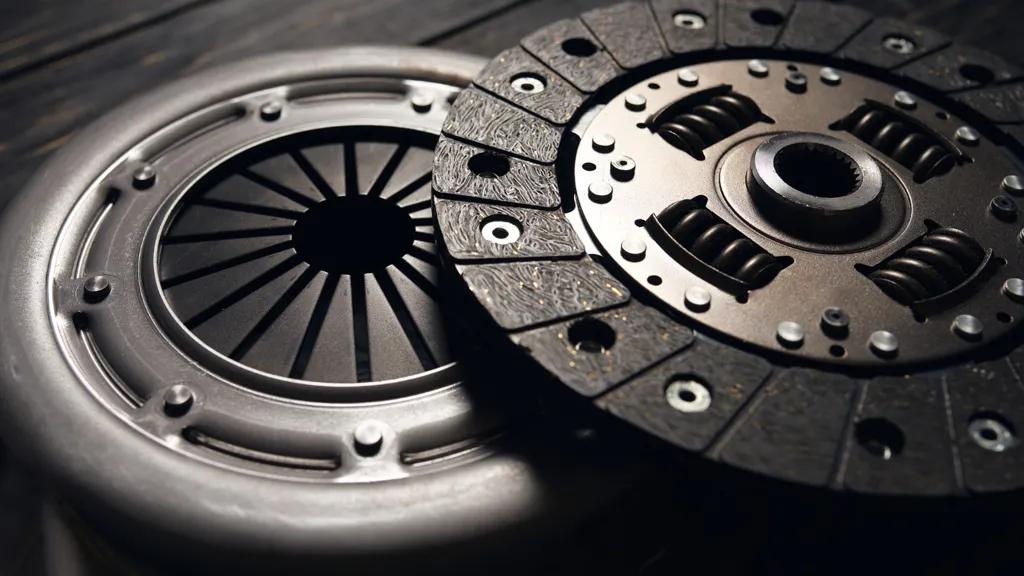
If there is one car component whose importance is often taken for granted until it fails, it is the clutch. Acting as the critical mechanical bridge between your engine’s power and the driving wheels, it endures intense friction and thermal stress every time you change gear.
At cheapfill.uk, we believe keeping your clutch in healthy working order is essential for fuel-efficient, economical, and safe driving. Here is our complete guide on why replacing a worn clutch at the right time matters and how it directly affects your wallet.
1. Why Is Replacing a Worn Clutch Essential?
A car clutch relies on friction. Every time you pull away or shift gears, the clutch plate lining wears down slightly. When it gets too thin, the friction disc can no longer clamp firmly against the engine flywheel—resulting in clutch slip.
Replacing a worn clutch isn't just about avoiding a breakdown; it directly impacts:
- Fuel Consumption (MPG): A slipping clutch dissipates engine power as waste heat instead of delivering forward motion. Your engine works harder and revs higher just to maintain speed, increasing fuel consumption by 10% to 20%.
- Road Safety: A failing clutch hinders acceleration during crucial maneuvers (such as overtaking slow traffic or joining busy roundabouts and dual carriageways), leaving you vulnerable in traffic flow.
- Gearbox Protection: Forcing gears when the clutch mechanism fails to disengage properly puts excessive stress on gearbox synchros, leading to far more expensive transmission repairs down the line.
2. When Should You Visit a Garage?
There is no fixed mileage interval for changing a clutch—it depends heavily on driving conditions. A motorway cruiser traveling long distances along the M1 or M6 might reach 150,000 miles on an original clutch, whereas a hatchback constantly stuck in city stop-start traffic may need a replacement as early as 50,000 miles.
Typical Clutch Lifespan & Service Intervals
| Driving Profile | Typical Replacement Mileage | Recommended Inspection |
| Intensive Urban (London, Birmingham, commuters) | 50,000 – 75,000 miles | Every 12,000 miles (or annual service) |
| Mixed Driving (A-roads & suburban towns) | 75,000 – 100,000 miles | Every 30,000 miles |
| Long-Distance / Motorway (M-roads) | 110,000 – 150,000+ miles | Every 60,000 miles |
3. Warning Signs: Symptoms of a Failing Clutch
If you experience any of these symptoms, a clutch replacement or flywheel inspection is likely imminent:
- Stiff or Heavy Clutch Pedal: Indicates that the diaphragm spring mechanism or hydraulic release bearing is sticking or worn out.
- Engine Revs Spiking ("Slipping"): When accelerating hard or driving uphill, the rev counter jumps up rapidly but your actual speed barely increases.
- Difficulty Changing Gears: Particularly when selecting 1st gear or Reverse, accompanied by a crunching or grinding noise.
- Chattering, Squeal, or Vibration: A rattling noise when lightly pressing the pedal usually points to a failing release bearing or Dual-Mass Flywheel (DMF).
4. Clutch Replacement Costs in the UK
Changing a clutch is a labour-intensive task that often requires removing the subframe and gearbox. Typical garage prices across the UK break down as follows:
TYPICAL UK CLUTCH REPAIR COSTS
- 3-Piece Clutch Kit (Parts) : £120 – £350|
- Labour Costs (4 to 7 hours): £350 – £700 (Dependent on regional rate)|
- Dual-Mass Flywheel (if needed): £300 – £600
TOTAL EXPECTED INVOICE: £500 – £1,500 (inc. VAT)
Note: On modern diesel and turbo-petrol cars, replacing the Dual-Mass Flywheel (DMF) alongside the clutch kit is strongly recommended to prevent double labour charges if the flywheel fails later.
5. Summary & Pro Driving Tip
Anticipating clutch wear is an investment in your car’s lifespan. A fresh clutch ensures maximum power delivery to the road, maintains optimal miles-per-gallon (MPG), and restores smooth pedal control.
Pro Tip from cheapfill.uk: To extend the life of your clutch, never "rest" your foot on the clutch pedal while driving, avoid holding the vehicle on a hill using the clutch bite point (use the handbrake instead), and shift into neutral with the pedal fully released while waiting at traffic lights.